Wells
Leland
International Business
and Language
& Economics
Study Abroad Cultural Essay
Taiwan: May 2024 - August 2024


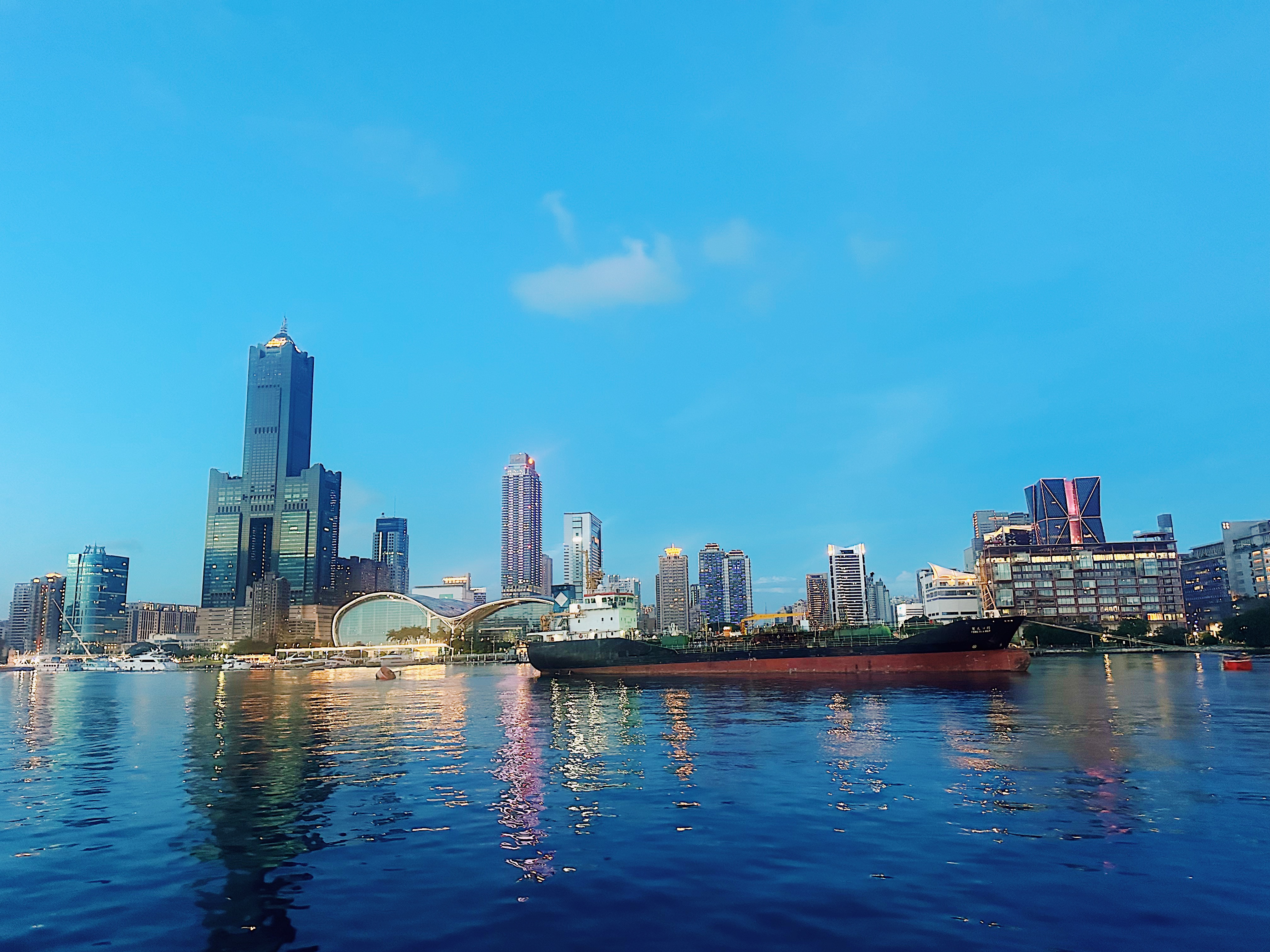
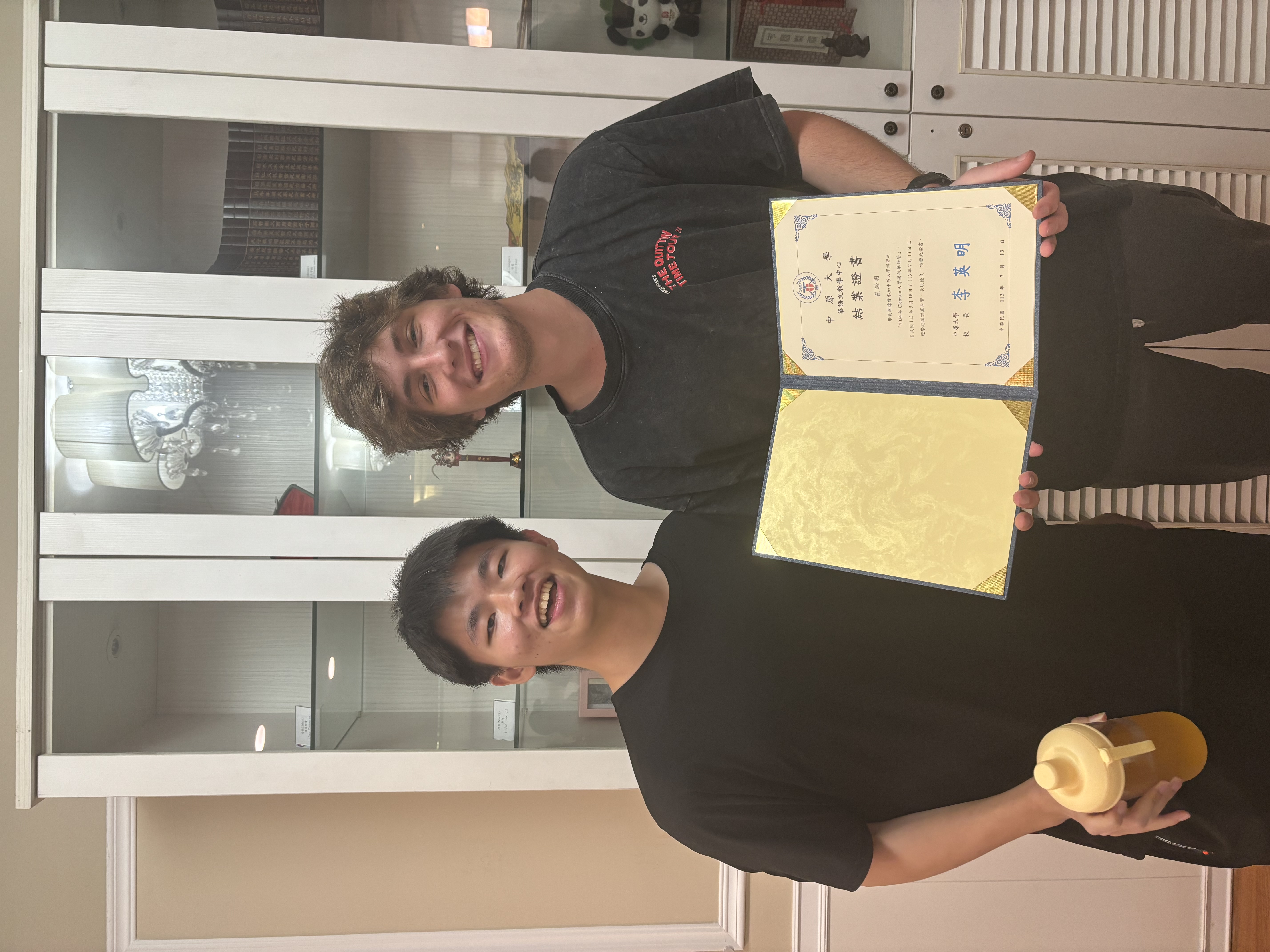
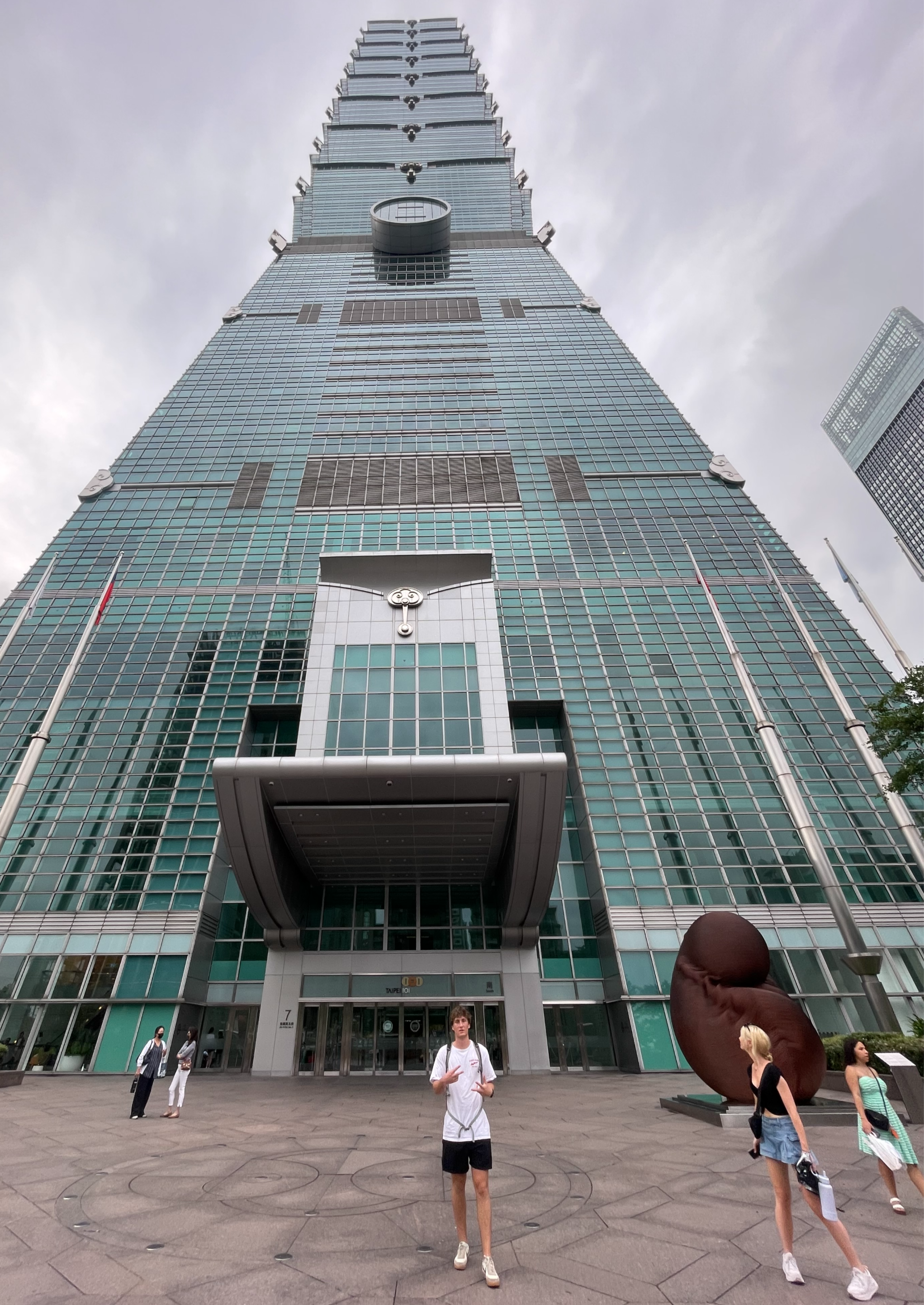
As I stood atop Taipei 101, I felt a deep sense of gratitude and excitement. Looking out over the breathtaking city, I had a sudden realization of how far I had come, both literally and figuratively. From the time I was a young child in Mandarin class to this moment of clarity and confidence, I was now surrounded by a city I had only read about in textbooks and now loved. Watching the city unfold below, I could see the heart of Taiwan’s financial sector, including The Taiwan Stock Exchange, Taipei World Trade Center and major corporate headquarters. I could also view Taiwan’s Four Beast Mountains, the Keelung River and Yangmingshan National Park. I realized something profound, I had found my purpose. I wanted to help bridge the gap between the United States and this vibrant, complex region of the world.
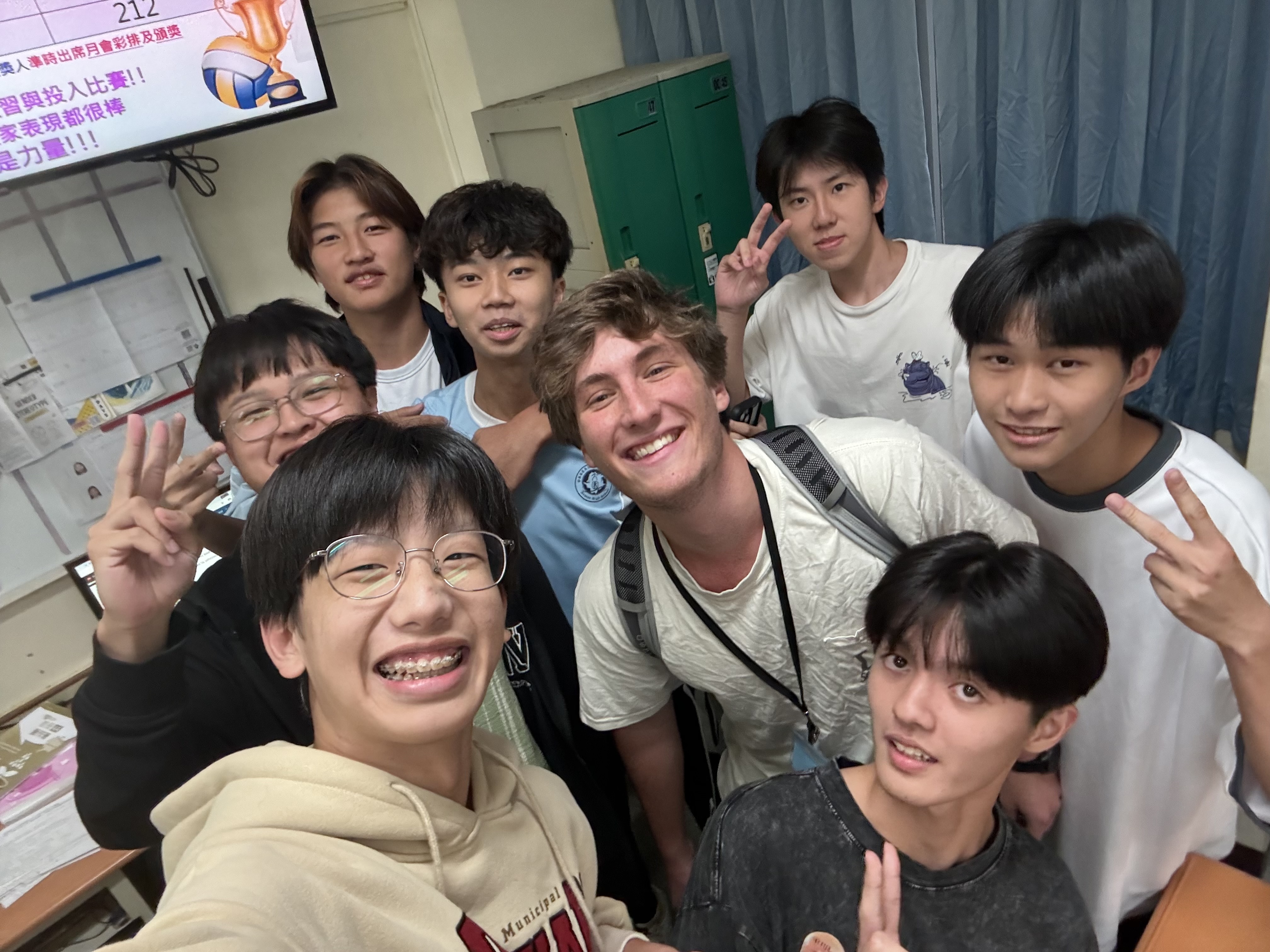
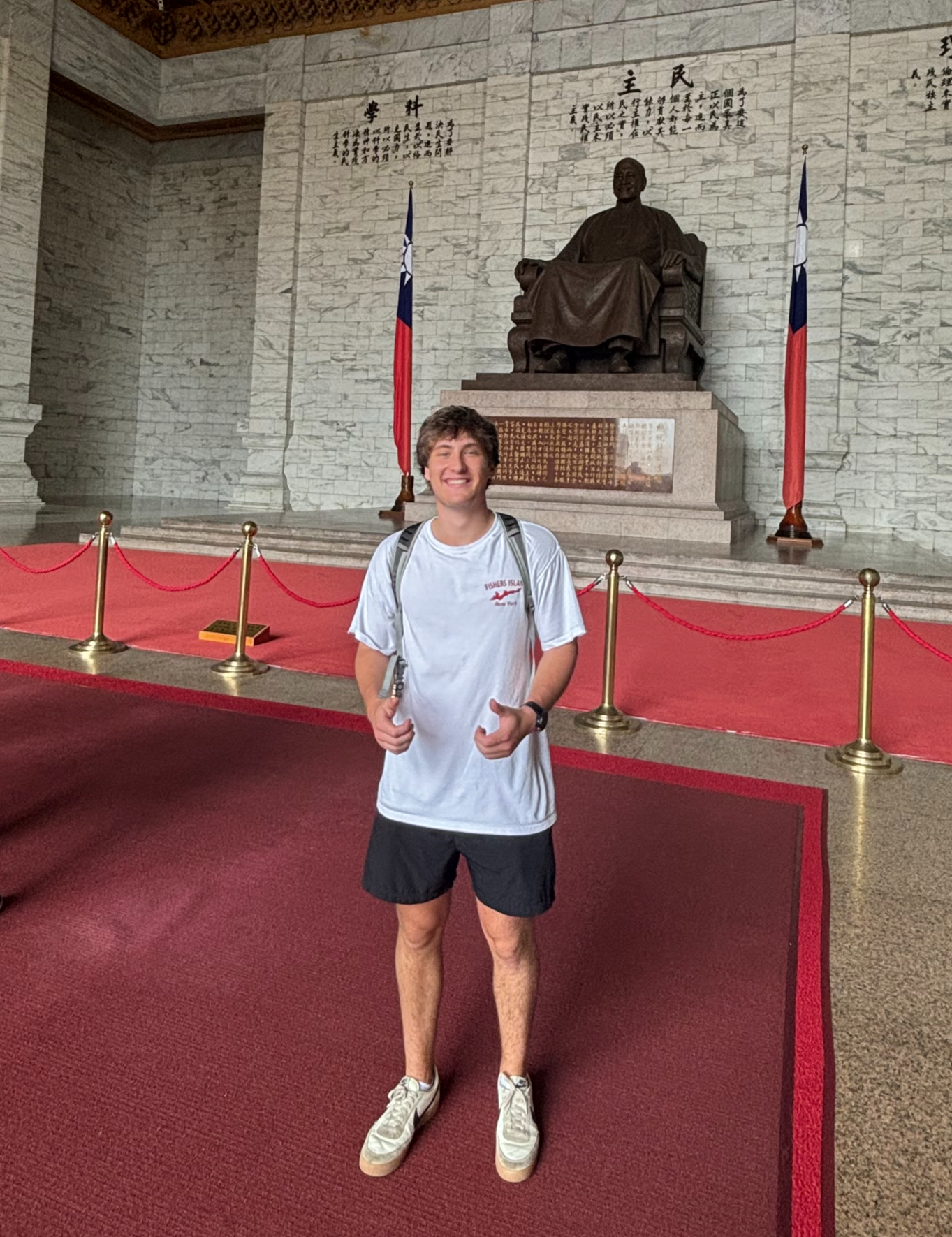
The opportunity to study abroad in Taiwan was life changing. From the moment I stepped off the plane, I was immersed in a culture that was both exhilarating and humbling. As I walked through Taoyuan’s night markets, I was perplexed by the chaos of traffic and abundance of local cuisine. I marveled at ancient temples tucked between glass skyscrapers, a beautiful blend of old and modern infrastructure. What had once been classroom drills and vocabulary tests transformed into spontaneous conversations with locals, stories shared over meals and directions asked at the metro. It was extremely rewarding to be able to use Mandarin in real-world scenarios. The ability to converse in Mandarin made my experience far more meaningful. It allowed me to see Taiwan less as a tourist and more as someone beginning to understand its values, people and way of life. I realized that language is not just a means to order food or have a conversation, but is also a way of thinking and deeply entrenched in our worldview.
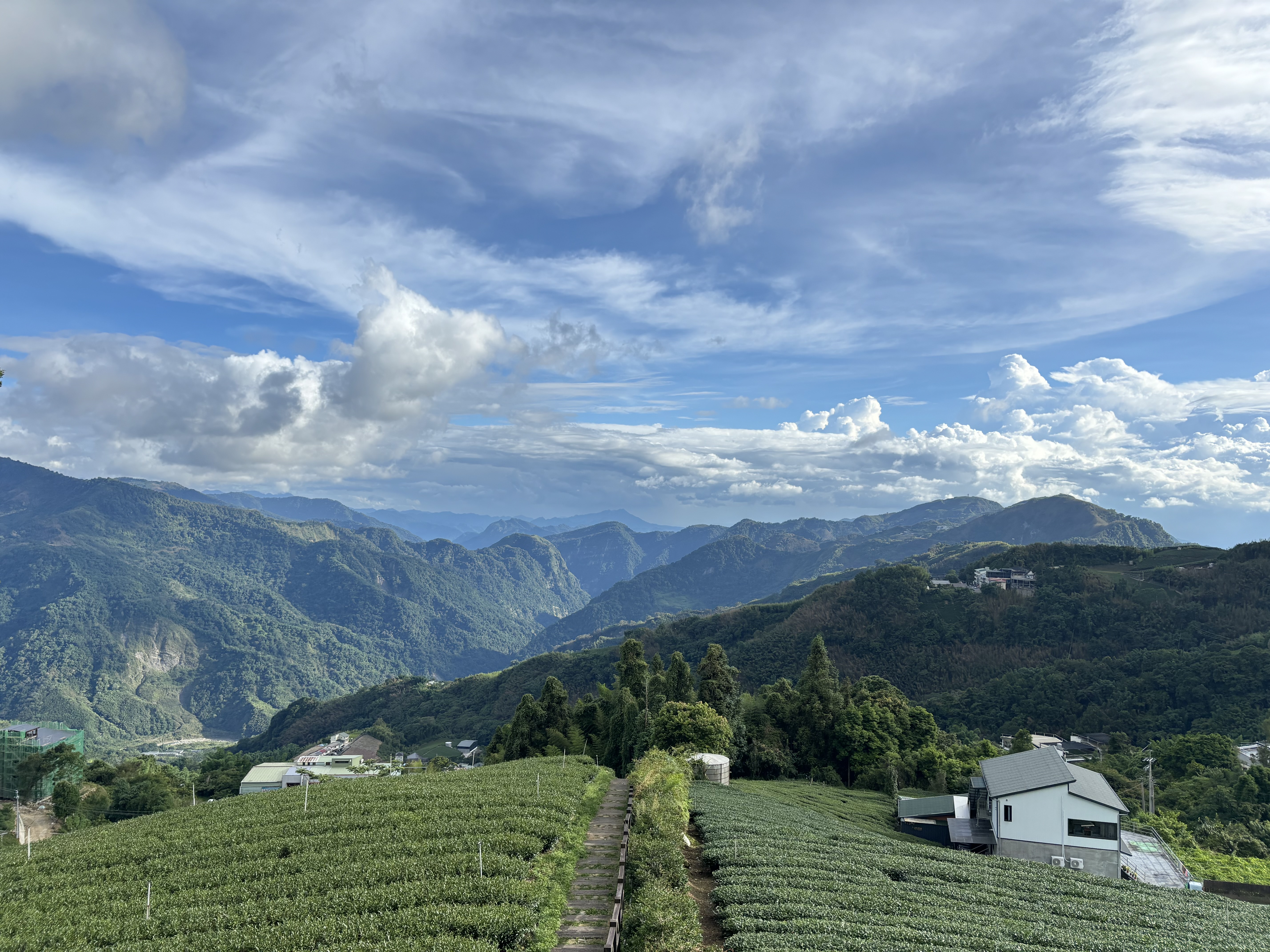
Using my language skills outside of the classroom enabled me to reach new heights. Rather than simply studying for a quiz, I was learning how to really communicate and grow relationships with people. I realized that having a conversation went far beyond having the correct tones, but instead required empathy and curiosity. I was having conversations with people of different walks of life: a family at a tea farm in Alishan that explained how to properly drink my tea, a local restaurant owner how to properly hold chopsticks and a business man explaining his role in the semiconductor supply chain. These connections, while sometimes brief, left lasting impressions on me. They reminded me that language is about understanding and building human connection.
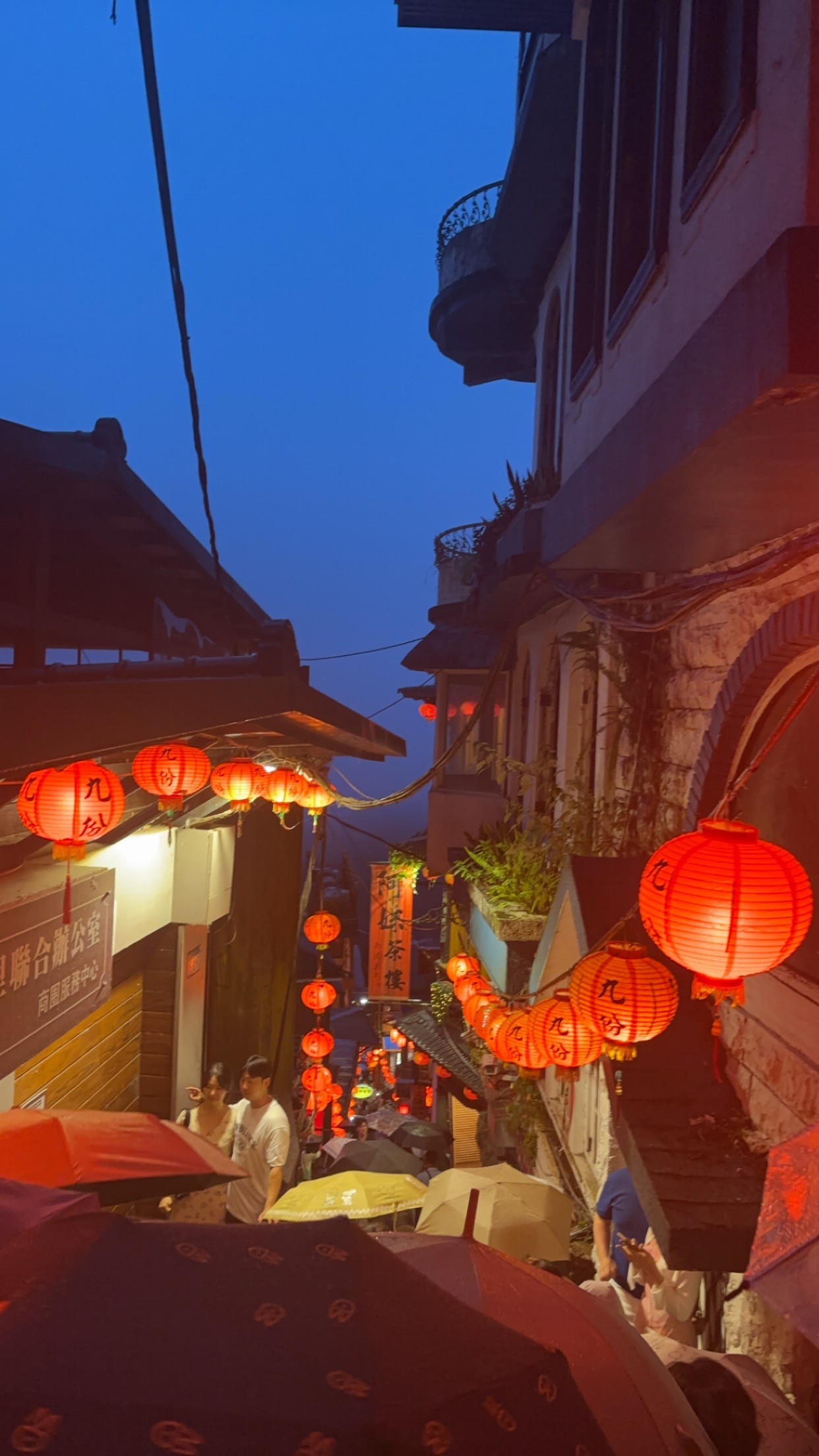
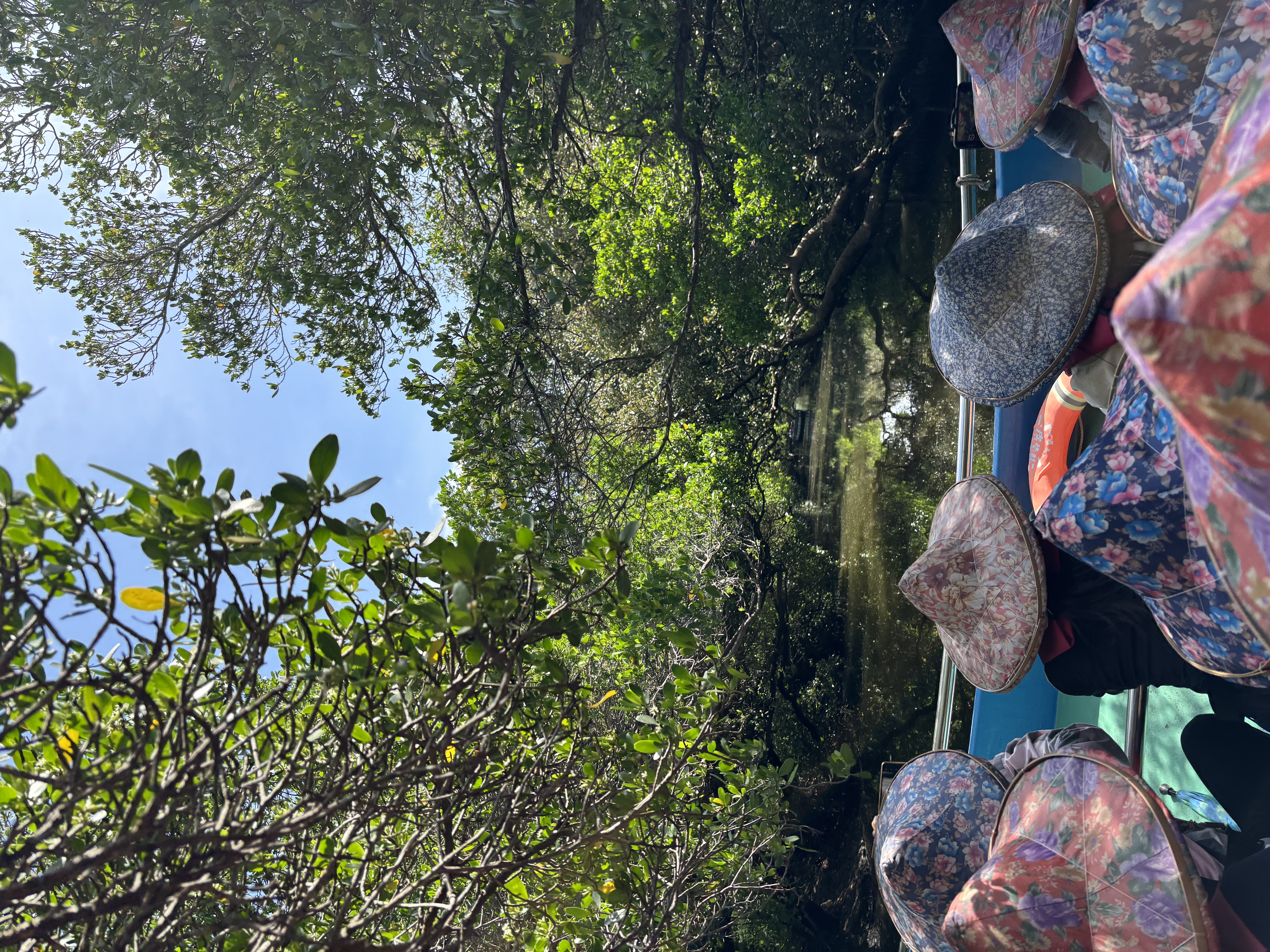
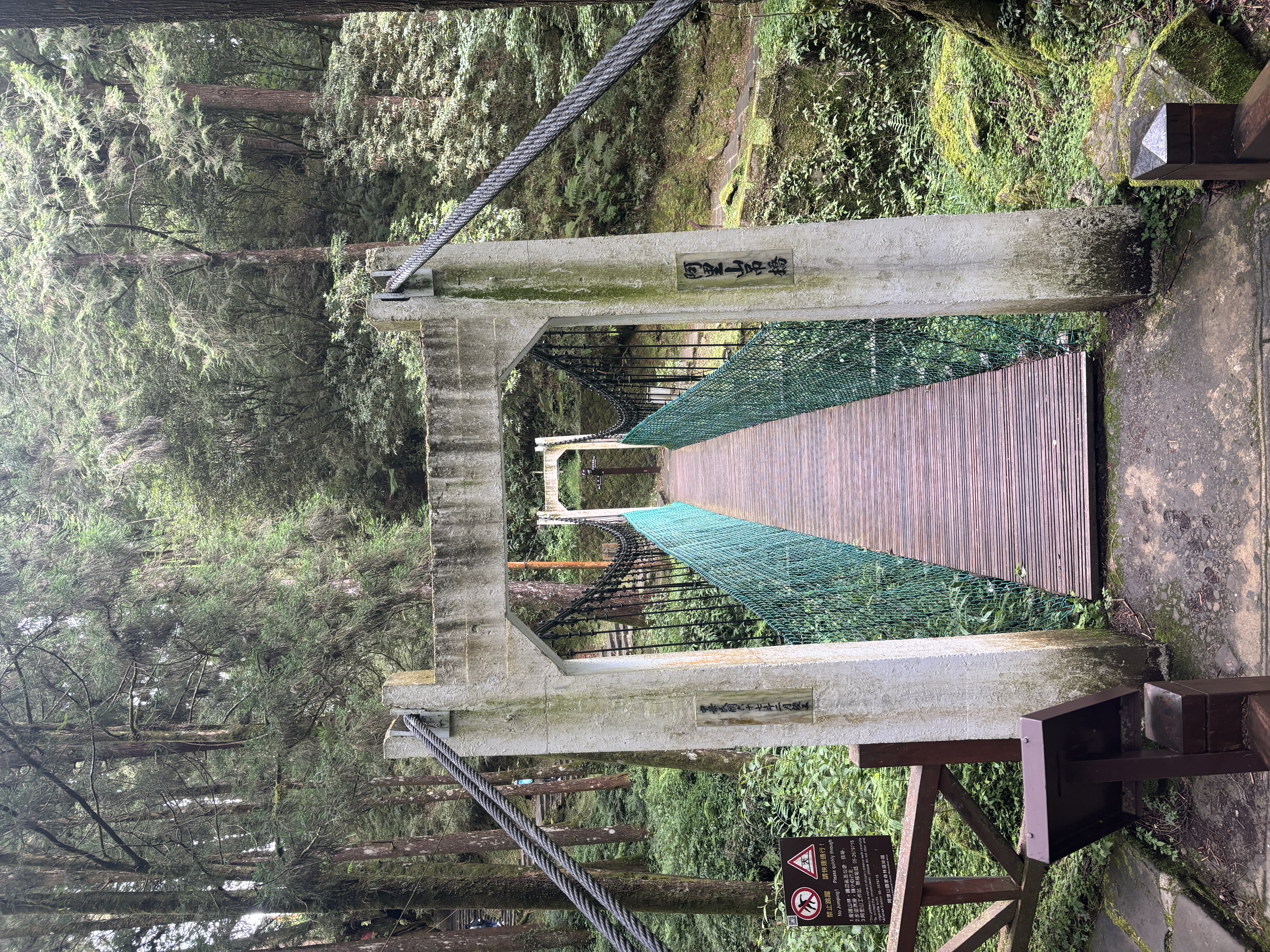
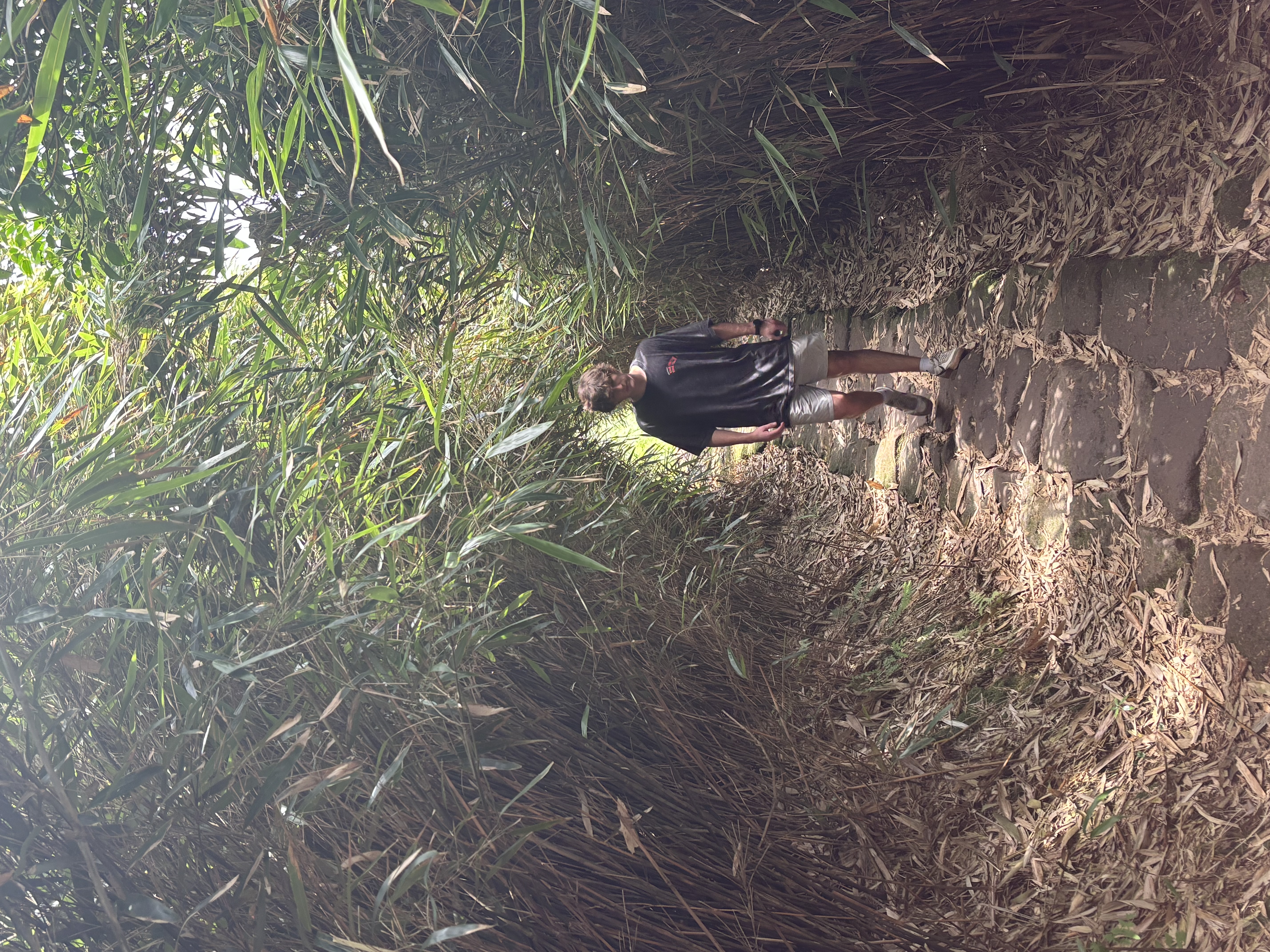
One of my favorite experiences was exploring Taiwan’s beautiful scenery. From the elegant waters of Sun Moon Lake, the infamous Queen’s Head at Yehliu Geopark, the crescent-shaped Qixingtan Beach, the lantern-lit alleys of Jiufen Old Street, the hot springs at Yanmingshan National Park and the forest railway at Alishan National Scenic Area, each destination revealed a different side of Taiwan’s natural beauty and cultural heritage. Exploring these places allowed me to appreciate the island’s diverse landscapes while creating unforgettable memories.
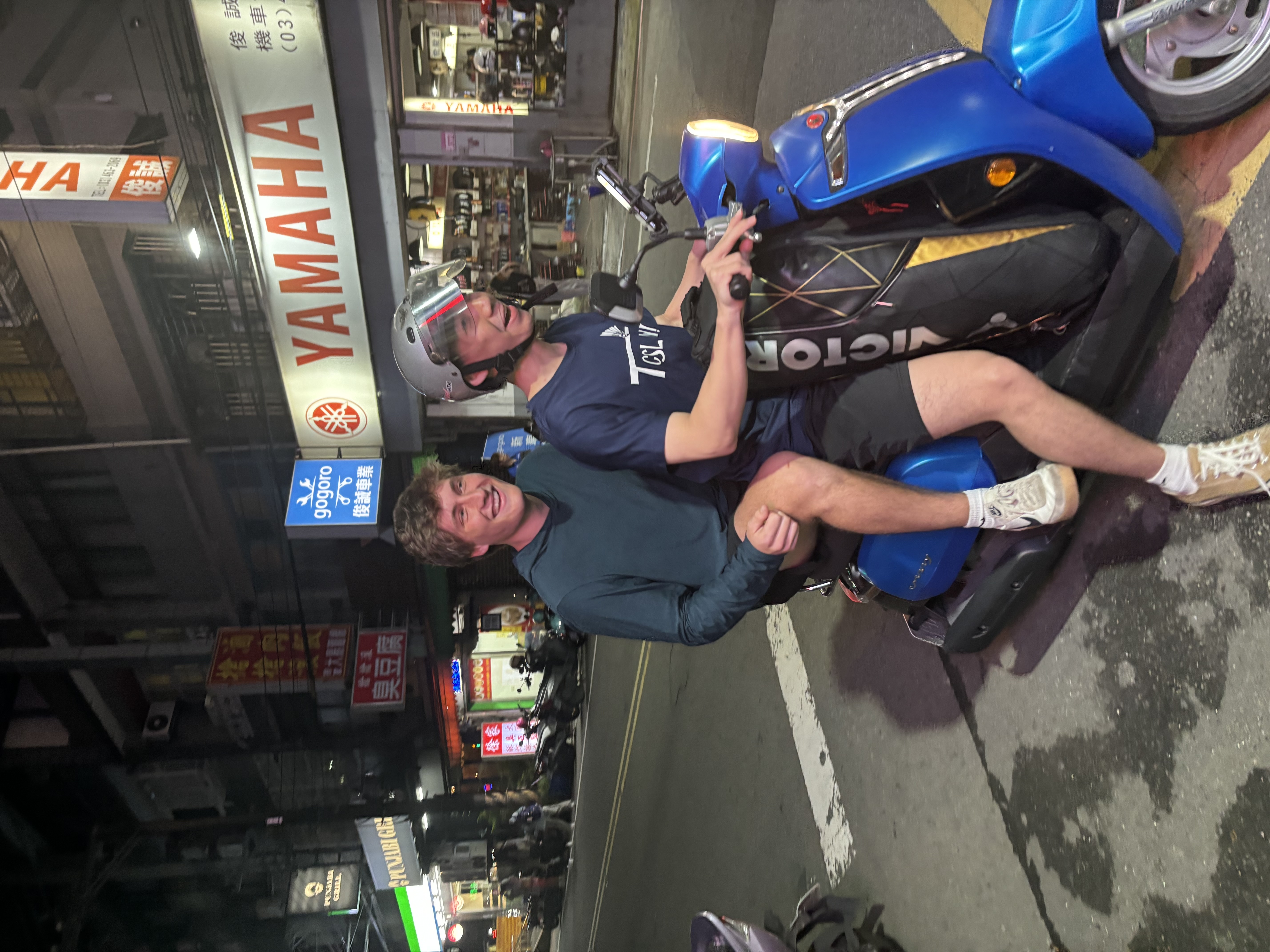
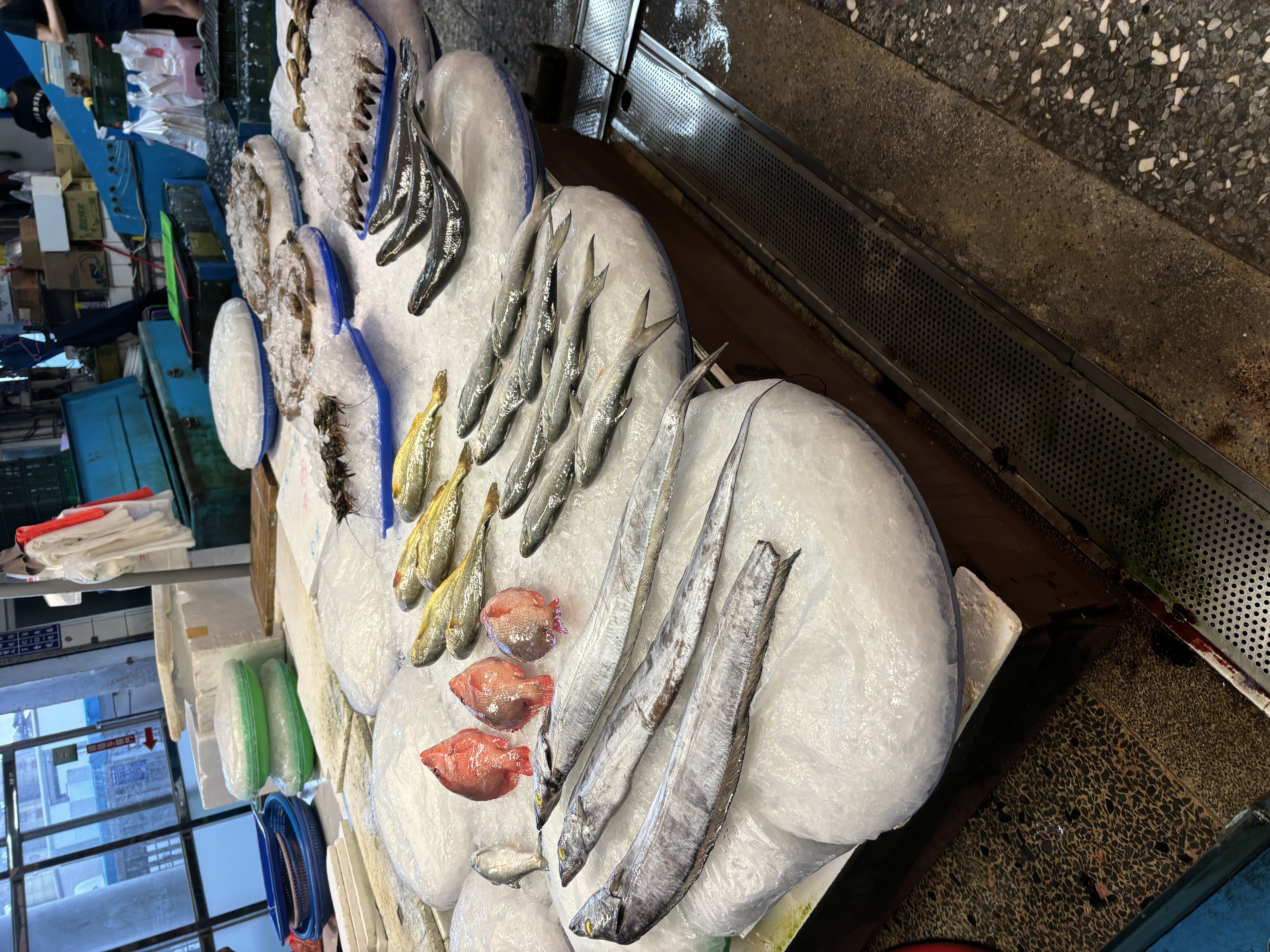
While enjoying Taiwan’s sites, I also loved exploring Taiwan’s foods. I now understand why Taiwan’s famous night markets are a source of national pride. The night markets are filled with energy, traditional and cultural interaction. You can eat and shop while walking through the enticing aromas and the lively chatter. Each evening, I would venture from my university to try something new and finish the night with my routine spicy scallion pancake. I quickly grew a nak for watching street performers, playing claw games and bargaining in Mandarin. These markets revealed a sense of community. Vendors took pride in their stalls and groups of families and friends gathered to exchange a laugh and to eat. Observing these unscripted moments made me feel the most immersed in the culture. These spaces taught me the nuances of various cultures, values and daily life norms.
The most noticeable difference I observed between Taiwan and the United States was the way people interact with one another in public spaces. Taiwanese people are far more quiet and reserved than Americans. In public settings, such as on buses and the MRT, speaking loudly is strongly discouraged. Even casual conversations are conducted in soft voices. In contrast, public environments in the United States are often more loud and expressive. Experiencing Taiwan’s quieter public culture made me reflect on my own communication style and significantly made me shift to a listen rather than speak first mindset.
Another noticeable difference is restaurant culture. In Taiwan, restaurants minimize interactions between the staff and customers. Most restaurants have a seat yourself policy and payments occur at the counter or through the LINE app rather than at the table. In the U.S, we pace a stronger emphasis on service and interaction. Also, most restaurants, stores and markets expect cash as payment. Before traveling to Taiwan, I hardly ever used cash but while there I only used cash. Ultimately, I became more aware of daily expenses and more intentional about budgeting. This difference made me realize Taiwan’s perspective on service and social interactions.
Reflecting on my time in Taiwan, I realize that this experience has shaped not only my academic and professional goals, but also my perspective on the world. From meaningful conversations to cultural immersion, I have developed a deeper appreciation for the power of language, connection, and adaptability. This journey has reinforced my desire to pursue a path that bridges cultures and fosters understanding between regions. As I look ahead, I carry with me the lessons, relationships, and sense of purpose that Taiwan has given me, confident that this experience will continue to guide my future.